Looking after your dog’s teeth
Posted 6 days ago
It's National Pet Dental Health Month and here's our expert advice on how to keep your pups teeth nice and clean!
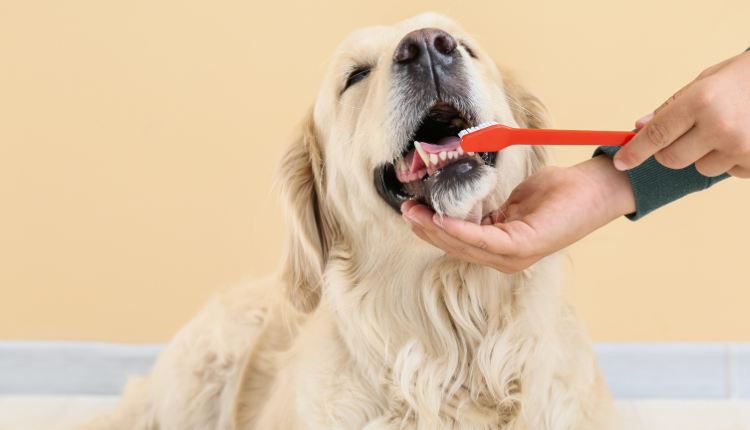
Good dental care is essential for every dog, but for assistance dogs, it’s even more important. Their mouths aren’t just for eating – they’re vital to help their partners live independently. From picking up dropped items to tugging open doors, a healthy mouth keeps them at their best.
Why oral health matters
Looking after your dog’s teeth and gums helps prevent:
- Pain and discomfort
- Gum disease
- Tooth loss
- Other health issues that can develop from dental problems
Keeping teeth clean and healthy also reduces the need for professional dental procedures under general anaesthetic, which can cost anywhere from £500 to £2,000, or more if extractions or specialist care are needed.
Brushing is best
Daily brushing with dog-safe enzymatic toothpaste is the gold standard for canine dental care.
Never use human toothpaste as it contains ingredients that are toxic to dogs.
How to start:
- Let them taste it first – put a small amount of toothpaste on your finger and let your dog lick it. Many come in flavours dogs enjoy.
- Finger movements – gently rub your finger along their teeth and gums to get them used to the sensation.
- Introduce a brush – once your dog is comfortable, use a soft finger brush or angled toothbrush designed for dogs.
For dogs trained with consent-based handling, brushing can be built gradually using these same steps. Even if you can’t brush every day, several times a week will still have positive benefits.
Dental chews
Dental chews can support oral health, but only if they are safe:
- Avoid anything harder than tooth enamel, such as antlers or hard bones
- Skip items you can’t indent with a fingernail
- Never give cooked bones, which can splinter
- Avoid chews that break into large pieces or are swallowed too quickly
Softer chews can be useful, but give them in moderation to avoid extra calories.
Mouthwash
Canine-specific mouthwashes, especially those with chlorhexidine, can help reduce bacteria and support gum health. Introduce them slowly, and if your dog doesn’t like rinsing, apply the liquid with a cotton pad over teeth and gums. Never use human mouthwash as it is toxic to dogs.
Supplements
Some seaweed-based supplements may help reduce plaque and tartar when used alongside brushing. However, they are not suitable for every dog and may conflict with certain medical conditions. Always check with your vet before introducing supplements.
Keep an eye on their mouth
Regularly check your dog’s teeth and gums at home. Look out for:
- Bad breath
- Tartar buildup
- Red, sore, or bleeding gums
- Signs of discomfort while eating or chewing
Routine veterinary checks are essential, and older dogs or certain breeds may need extra attention.
Remember, supplements, chews, and rinses cannot replace brushing to keep your dog’s teeth healthy.