Fun ways to challenge your dog’s mind: Exploring Freework
Posted 2 months ago
Just like humans enjoy games and puzzles to exercise their minds, dogs benefit from activities that stimulate their senses and encourage independent thinking. One of the most effective ways to do this is through Freework, a dog-led activity that improves confidence, body awareness and overall wellbeing, while giving your dog the freedom to discover at their own pace.
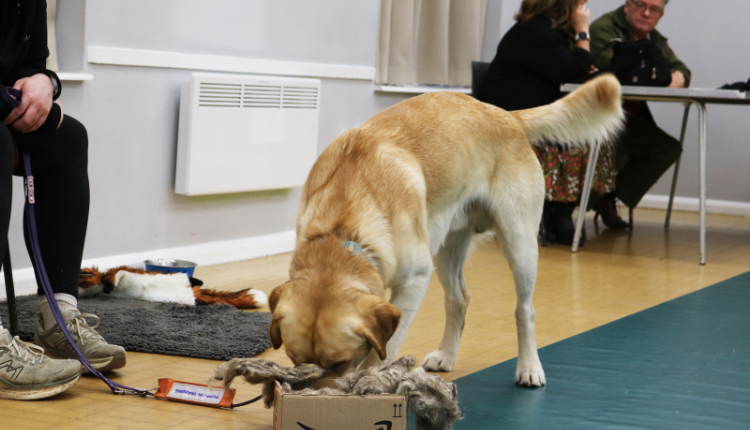
What is Freework?
Freework allows dogs to explore their environment using textures, scents and tastes. Unlike structured training, it focuses on choice and curiosity, helping dogs to release energy, reset and rebalance.
Through sensory exploration, dogs learn to problem-solve, gain confidence and strengthen their bond with their owner.
Why Freework is good for your dog?
Freework is more than just play. It is a way to support your dog’s overall development and wellbeing. Benefits include:
- Introducing new experiences: Different textures, smells and surfaces expand their comfort zone.
- Building confidence: Encourages independent exploration in a safe environment.
- Strengthening the bond: Shared discovery deepens trust between dog and owner.
- Reducing reliance on excessive exercise: Mental stimulation complements physical activity.
- Supporting mobility and posture: Balancing on new surfaces enhances body awareness.
- Preparing for future learning: Problem-solving in Freework lays the foundation for training.
How to set up a Freework session
You do not need specialist equipment. Everyday items work perfectly:
- Textures: Towels, yoga mats, bubble wrap, cardboard boxes.
- Balance and coordination: Low platforms or stable boxes.
- Scent and taste: Snuffle mats, cupcake tins or hidden treats.*
*Ensure you only use safe foods that are appropriate for your dog’s size and breed to prevent any choking hazards.
Step-by-step setup:
- Choose a quiet, safe area for exploration.
- Place a few items with different textures, scents or heights.
- Scatter treats or toys around the stations.
- Let your dog explore at their own pace without instructions or pressure.
Observing your dog
While Freework encourages independence, your dog should always be supervised during these sessions. Observation is the key to effective Freework, so watch how your dog:
- Interacts with different textures
- Moves and balances on various surfaces
- Favors certain sides or objects
- Shows preferences for specific types of exploration
Rotate items and introduce new textures over time to keep sessions engaging. Tailoring activities to your dog’s preferences ensures they gain the most from every session.