
Beautiful summer weather can be enjoyable, but dogs can’t regulate their temperature as effectively as humans can, making it a difficult time of year for them. These are our top tips to keep your four-legged friends safe and cool.
Changes to your routine
There are a few easy changes you can make to your daily routine to help keep your dog cool:
- Go for walks early in the morning or later in the evening.
- Keep an eye on the weather forecast and hourly temperatures before going for a walk.
- Avoid intense exercise, such as running or playing with other dogs.
- Always carry fresh water for your dog with a travel bottle or bowl.
- Avoid traveling long distances during hot weather.
- Exercise your dog in shady, grassed areas – tarmac, concrete, astro turf, and sand can all heat up to extreme temperatures which can burn your dog’s paws.
Top tip: If it’s too hot for you to place the back of your hand on the pavement for five seconds, it is too hot for your dog’s paws.
Never leave your dog in a car
Never leave your dog in a car or caravan during warm weather, even in the shade or with the windows down. The temperature inside a car can climb incredibly quickly. Spending any length of time in a hot car can be fatal for your dog.
Don’t use a cool coat
There is conflicting information online about using cool coats, but Canine Partners’ wellbeing experts advise owners not to use cool coats, as they can actually increase your dog’s body temperature.
Cool coats should not be used as they trap heat when they start to dry. We also do not recommend covering your dog in a wet towel. Instead, offer your dog a damp towel or cooling mat to lie on if they would like to. Cooling is most effective through the tummy, where there is less fur, so providing access to these cool surfaces allows your dog to choose to regulate their temperature comfortably and safely.
Keeping your dog cool and mentally stimulated
- Fill a shallow paddling pool in the garden, but don’t force your dog to use it.
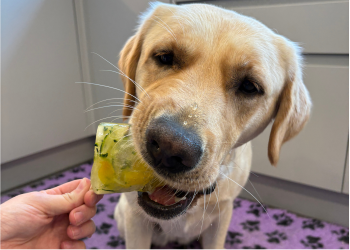
- Freeze carrots, filled enrichment toys, or use ice cubes with fruit or veg inside for a cool treat.
- Place cool mats or a wet towel on the floor, so your dog has the option to lay on them.
- Groom your dog daily to remove dead hair and lighten their coat.
- Use indoor enrichment activities such as sniff boxes and snuffle mats.
Fleas, ticks and other parasites
Summer brings an increased risk of fleas, ticks, and other parasites. Speak to your vet to discuss the most appropriate parasite prevention plan for your dog, based on their individual lifestyle and risk factors. Check for parasites during the warmer months, particularly after walking in long grass, woodland or other high-risk areas.
How to spot heat stroke and what to do if it happens
Heatstroke is a very real risk to dogs in hot weather. A dog can get brain damage or even die from heatstroke in just 15 minutes.
The symptoms of heatstroke are:
- Heavy panting
- Restlessness
- Excessive thirst
- Lots of thick saliva, a dark tongue, and red gums
- Rapid pulse
- Lethargy
- Lack of coordination
- Reluctance or not being able to get up after collapsing
- Vomiting
- Diarrhea
- Loss of consciousness