
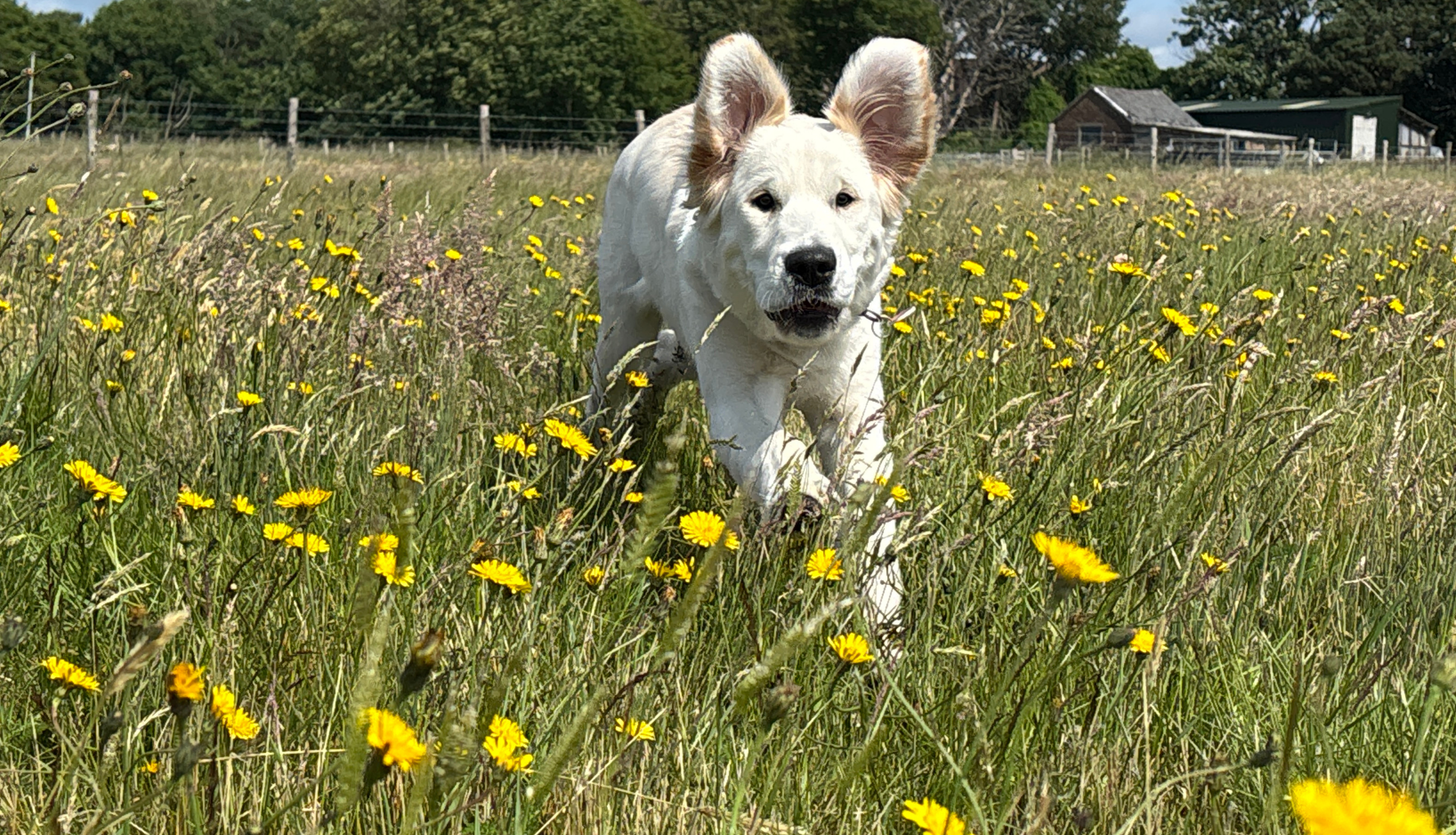
August is Itchy Pet Awareness Month and we want to highlight the importance of your pet dog’s skin health and educate owners on the main causes of itchiness.
To ensure you’re able to recognise the early signs of skin irritation and support your dog’s skin health, we’ve asked our Veterinary and Wellbeing Manager, Hayley Telling, to explain what to look for and when to seek veterinary advice.
Common signs of itchy skin in dogs
The signs of itchy skin can be easy to miss, especially in dogs whose coats conceal early signs of irritation. Keep an eye out for changes in behaviour or other signs that your dog may be uncomfortable.
Signs of an itchy dog may include:
- Licking or chewing their paws
- Scratching more than usual
- Hair loss in places and over grooming
- Rubbing against carpets or furniture to alleviate irritation
- Sore or reddened skin
- Frequent head shaking or ear scratching
If these signs persist or worsen, speak to your vet to identify the underlying cause.
Common causes of itchiness in dogs
There is no single cause of itchy skin, several different conditions can produce similar symptoms.
Environmental allergies: These are particularly common during spring and summer due to pollens, although some allergens, such as house dust mites, may be present year-round. Your vet can advise on appropriate investigation and management. There is some evidence that omega-3 fatty acid supplementation may help support skin barrier function in dogs with atopic dermatitis; however, this should be considered part of a multimodal management approach discussed with your vet.
Food allergies and intolerances: Some dogs develop adverse reactions to certain foods. If this is suspected, your vet can advise on appropriate tests and dietary management.
More on ticks
Although hard to see, a great way of identifying any unwanted ticks on your dog is to run your hands over their body – particularly after a walk. You’ll feel a small bump attached to a dog’s skin.
It’s also important to note that ticks are like Velcro to your dog’s body and likely to attach anywhere. Common targets include the head, neck and their paws, although ticks can be known to be found in less visible places, such as:
- Beneath the tail.
- Under the collar or harness.
- Between the toes.
- Around the armpits and groin.
Safely removing ticks from your dog:
If you do find a tick, it is important not to worry. Most ticks can be safely removed at home using a tick-removal tool and a calm, gentle approach.
Here’s Canine Partners’ three step guide to safe tick removal:
Step 1 – Locate the tick: running your hands through your dog’s fur, have a good scout for any ticks wearing disposable gloves.
Some dogs may be unsure about being handled while a tick is removed. To help keep them calm, choose a quiet area and use plenty of praise and rewards throughout.
Try distracting your dog with their favourite treats, a lick mat, or gentle reassurance from another person. Take your time and stop if your dog becomes distressed. Keeping the experience positive can help your dog feel more comfortable with future health checks and grooming.
Step 2 – Remove the tick: Once located, avoid pulling the tick out with your fingers, squeezing it, or applying substances such as oils, petroleum jelly (Vaseline), or alcohol. These methods can make removal more difficult and may increase the risk of irritation or transmission of tick-borne diseases. The safest way to remove a tick is with a tick-removal tool.
Tool in hand, slide it beneath the tick, as close to the skin as possible, and slowly twist until the tick releases.
Step 3 – Check the tick has been removed completely: Once the tick has been removed, check that it appears intact and monitor the area for any redness, swelling, or irritation.
Safely dispose of any tick by wrapping it in tissue and placing it in a bin or flushing it down the toilet.
Throw away your gloves and wash your hands thoroughly before then cleaning the bite area with warm salty water or mild antiseptic.
Contact your veterinary surgeon if:
- You are not confident removing the tick yourself.
- You are concerned the whole tick has not been removed.
- The bite area is inflamed or irritated.
- The dog appears lethargic, unwell or has a loss of appetite following a tick bite.
Managing parasites
Not every dog requires the same approach to parasite prevention.
The most appropriate strategy depends on factors such as your dog’s lifestyle, location, travel history/plans, and exposure risk.
Speak to your vet about the most suitable parasite prevention plan for your individual dog.