
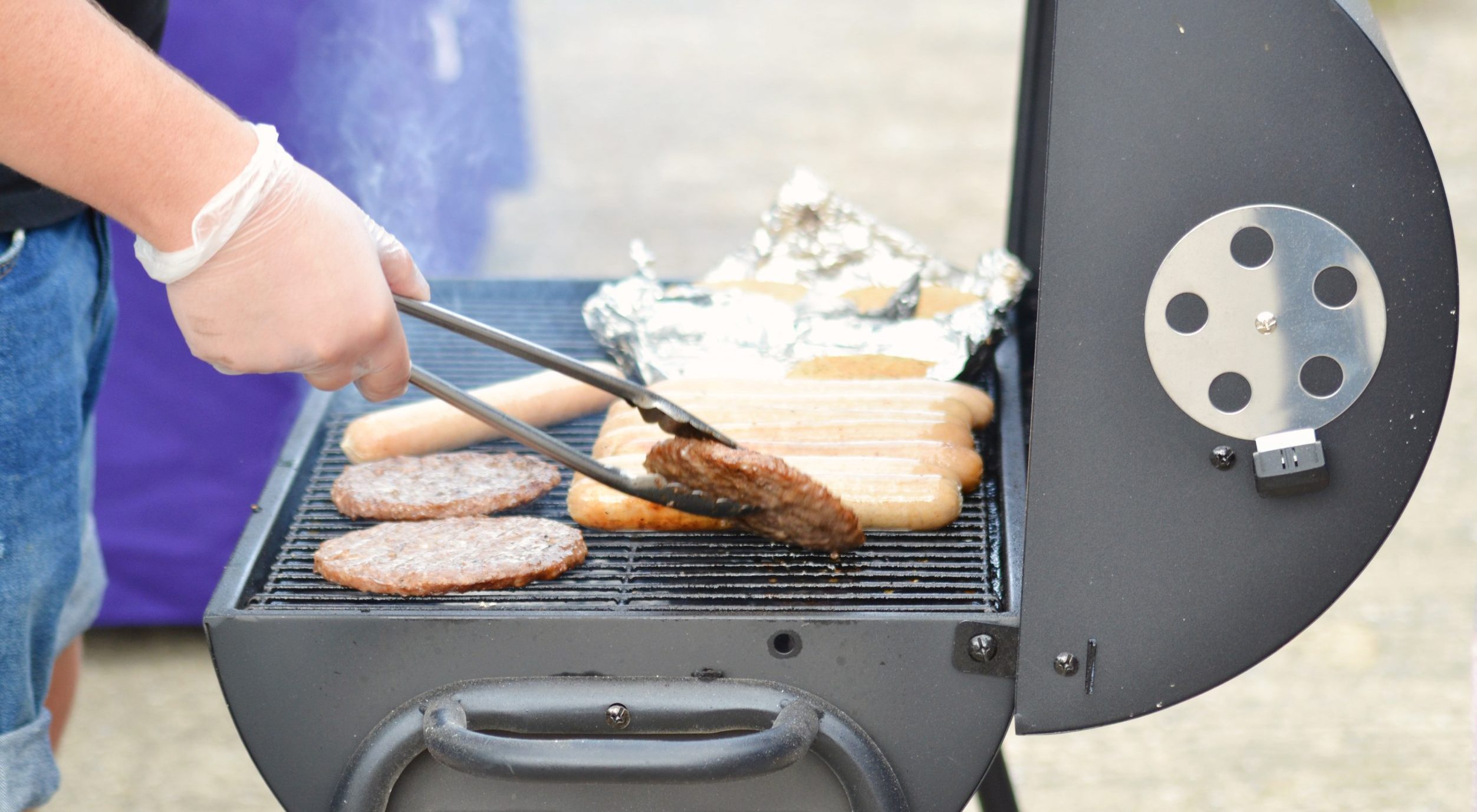
BBQs are a great way to spend time with family and friends – and for many dog owners, no gathering feels complete without their dog nearby.
But while they can be fun for people, they can also create unexpected dangers for dogs. From hot grills and toxic foods to heatstroke and stress, it’s important to take a few simple steps to keep your dog safe and comfortable.
Keep dogs safely away from the BBQ
Dogs are naturally curious, especially when delicious smells are drifting through the garden. But BBQs can be extremely dangerous for dogs.
Hot grills, disposable BBQs and falling food can all lead to burns or injuries. BBQs can also stay hot long after cooking has finished, so never leave them unattended. Smoke from BBQs may also irritate dogs, particularly those with breathing difficulties. To help keep your dog safe:
- Keep dogs away from cooking areas
- Never leave a hot BBQ unattended
- Store matches, firelighters and lighter fluid securely
- Make sure your dog can move away from smoke and heat
BBQ foods dogs should avoid
Many popular BBQ foods are unsafe for dogs. Some can cause upset stomachs, while others may lead to choking, poisoning or serious internal blockages. Foods that are dangerous for dogs include:

- Cooked bones
- Fatty meats and sausages
- Onions and garlic
- Corn on the cob
- Raw and undercooked meat
- Chocolate
- Grapes and raisins
- Alcohol
- Sugar-free foods containing xylitol
Give your dog safe alternatives to help keep them calm, happy and occupied while everyone else eats, such as:
- A long-lasting dog chew
- An enrichment toy
- Frozen dog-friendly treats
- Their regular food or treats
Clear away leftovers and rubbish quickly
Once the BBQ is over, leftovers and rubbish can still pose a serious risk. Tempting smells may encourage dogs to investigate plates, bins and rubbish bags.
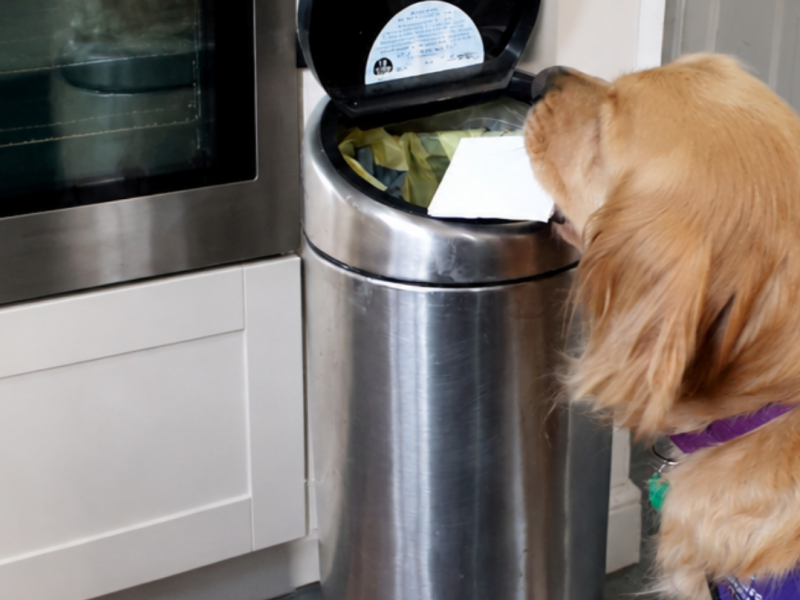
Items such as bones, skewers and corn cobs can be especially dangerous if swallowed.
To reduce the risk:
- Clear away leftovers promptly
- Check the garden for dropped food
- Use a secure bin with a lid
- Avoid leaving rubbish bags outside overnight
These simple steps can help prevent choking, poisoning and internal blockages.
How to keep dogs cool in hot weather
Dogs can overheat much faster than people, especially older dogs, flat-faced breeds and dogs with thick coats.
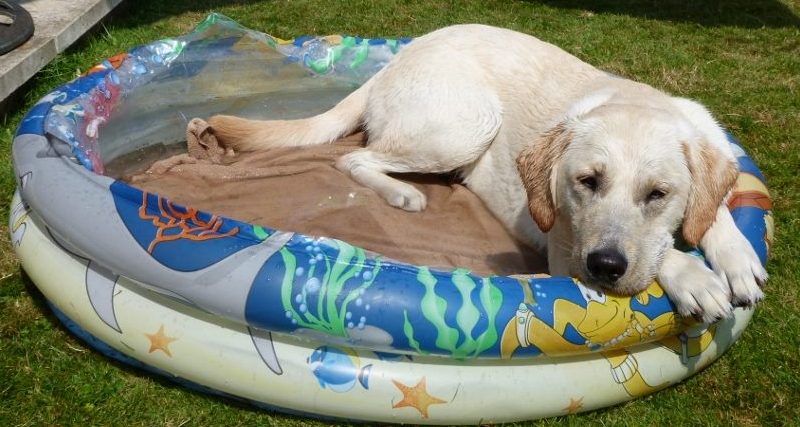
Tips to help keep dogs cool in summer:
- Provide plenty of fresh drinking water
- Make sure your dog has access to shade
- Create a cool place for them to rest
- Walk dogs early morning or later evening
- Avoid exercise during the hottest part of the day
Pavements and artificial grass can become hot enough to burn paws. A good rule to remember is ‘If it’s too hot for your hand, it’s too hot for your dog.’
Cooling mats, damp towels and paddling pools can also help dogs stay comfortable in warm weather. Some dogs are also more at risk of sunburn, particularly around the ears and nose. Pet-safe sunscreen may help protect exposed skin.
Never leave a dog in a hot car
Never leave a dog in a car, caravan or conservatory, even for a few minutes. Temperatures can rise dangerously fast and may quickly become fatal.
Signs of heatstroke in dogs
Heatstroke is a serious emergency and needs urgent treatment. Signs of heatstroke include:
- Heavy panting
- Excessive drooling
- Weakness or tiredness
- Vomiting
- Difficulty walking or wobbling
- Bright red gums
- Collapse
If you think your dog has heatstroke:
- Move them somewhere cool
- Keep them calm
- Pour cool water over their body (not ice-cold water)
- Contact your vet straight away
Helping your dog stay calm and comfortable
Busy gardens, unfamiliar visitors and loud noises can feel overwhelming for some dogs. Both assistance dogs and family pets benefit from having a calm, quiet space away from the activity where they can relax, settle and feel safe.
Before guests arrive:
- Check your garden is secure
- Make sure gates are properly closed
- Remove anything dangerous from accessible areas
- Prepare a calm, comfortable resting space
Signs your dog may be stressed include:
- Pacing or restlessness
- Barking more than usual
- Hiding away
- Seeking reassurance
- Trying to leave the area
Enjoy BBQs safely with your dog
Whether you have a life-changing assistance dog or a much-loved family pet, planning ahead can help everyone enjoy the warmer weather safely.
For more advice on caring for your dog throughout the year, visit our advice page.