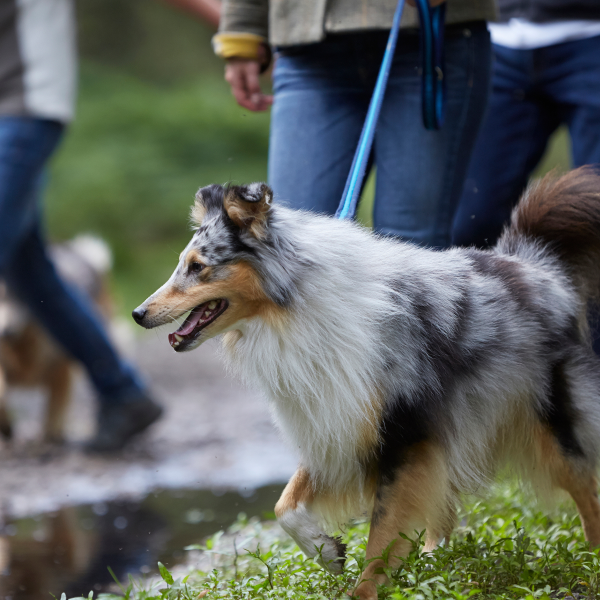
Exploring the countryside, enjoying long walks, and discovering new places are some of the best parts of life with a dog.
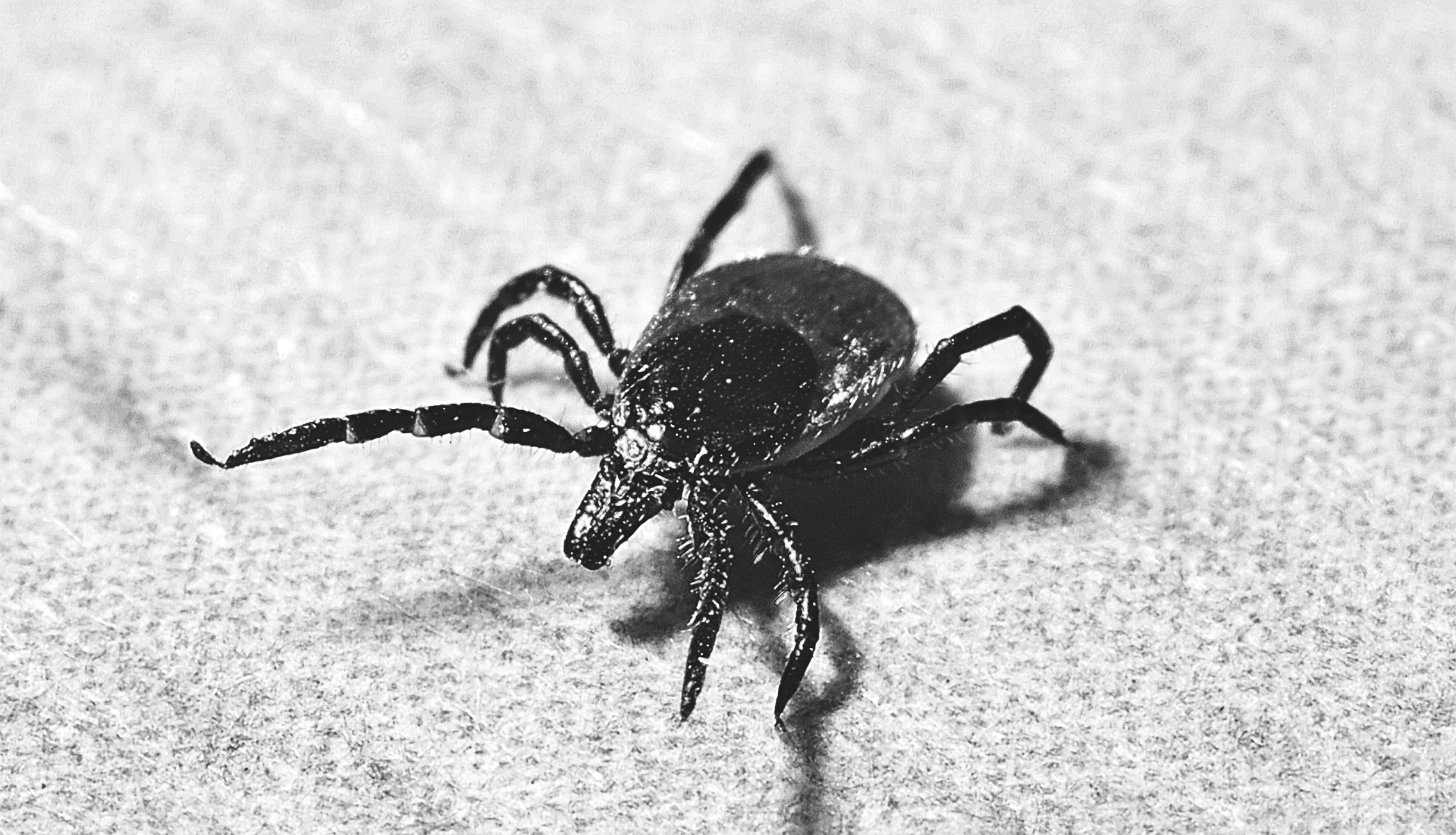
But while these environments are exciting for dogs, they can also be home to tiny, unwanted hitchhikers, known as ticks. Ticks are small, spider-like parasites that latch onto animals as they brush past vegetation.
While most bites are harmless, ticks can carry infections like Lyme Disease, so it’s important to know how to check for and remove them safely.
How to check for ticks?
Ticks can be hard to see, especially when they first attach. Running your hands over your dog’s body after walks is one of the simplest ways to check for them. They often feel like a small bump on your dog’s skin.
Ticks can attach anywhere on your dog’s body, so it’s important to check thoroughly all over. They are commonly found around the head, neck, ears and feet, but they can also hide in less obvious places, such as:
- Between the toes
- Under collars or harnesses
- Around the armpits or groin
- Under the tail
How to remove a tick from your dog safely
If you find a tick on your dog, try not to worry. Most ticks can be removed safely at home. However, do not pull a tick straight out with your fingers, squeeze its body or put anything on it, as this can increase the risk of infection.
The easiest and safest way to remove a tick is with a tick removal tool.
Step 1 – Locate the tick: Wearing disposable gloves, part your dog’s fur so you can clearly see the tick
Step 2 – Remove the tick: Slide the tool underneath the tick, as close to the skin as possible. Slowly twist the tool until the tick releases. Do not pull the tick straight out or squeeze it.
Step 3 – After removing the tick:
- Check that the tick has come away completely. You should be able to see the head and mouthparts attached to the body.
- Dispose of it by wrapping it in tissue and placing it in the bin or flushing it down the toilet.
- Throw away your gloves and wash your hands thoroughly.
- Clean the bite area with warm salty water or a mild antiseptic.
When should I contact a vet?
Most tick bites heal quickly but keep an eye on the area for a few days. You should seek veterinary advice if:
- You aren’t confident removing the tick yourself.
- Part of the tick may still be in your dog’s skin.
- The bite area becomes red, swollen or irritated.
- Your dog seems unusually tired, unwell, or loses their appetite following a bite.
Some symptoms may not appear straight away and can develop up to a month after a bite. If you’re ever unsure, it’s always best to contact your vet for advice.
Why is tick prevention important?
In the UK, ticks are most active between spring and autumn, although they can remain active during milder winter weather. They are commonly found in woodland and areas of long grass, particularly where wildlife or livestock are present.
If you regularly walk your dog in these environments, preventative treatments such as spot-on treatment, tablets or tick collars can help reduce the chance of ticks attaching.
Your vet will be able to recommend the most suitable option based on your dog’s lifestyle.